

Knee pain Treatment
Expert Physiotherapy Care
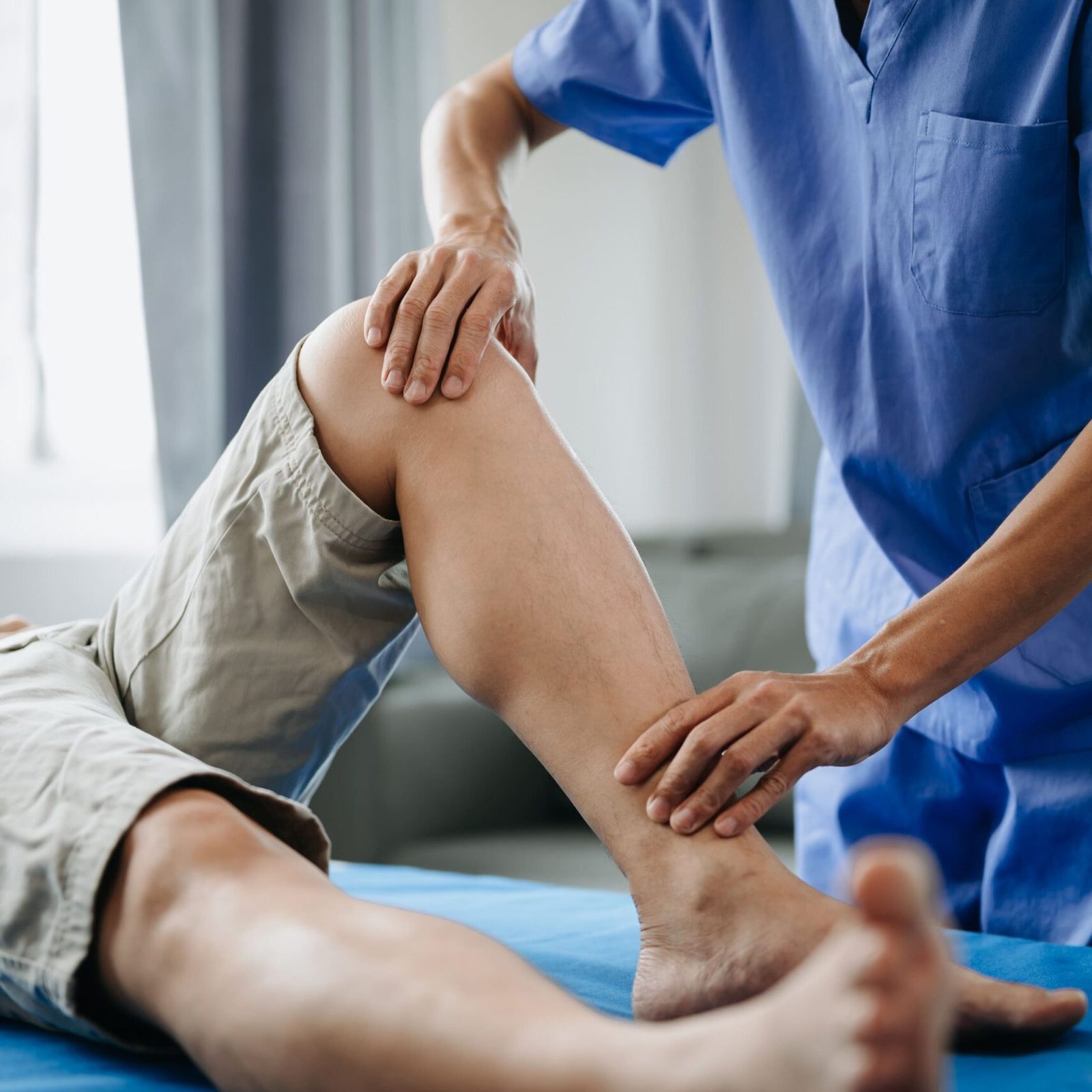
About our Knee pain treatment
Osteoarthritis-Related Knee Pain Management
Osteoarthritis is a common cause of knee pain, especially in older adults, caused by gradual wear and tear of the joint cartilage. Patients often experience stiffness, swelling, and difficulty in walking or climbing stairs. Physiotherapy focuses on improving joint mobility, strengthening surrounding muscles, and reducing inflammation. Targeted exercises help maintain range of motion and prevent further degeneration. Our goal is to enhance function and allow patients to perform daily activities comfortably.
Sports and Injury-Related Knee Pain
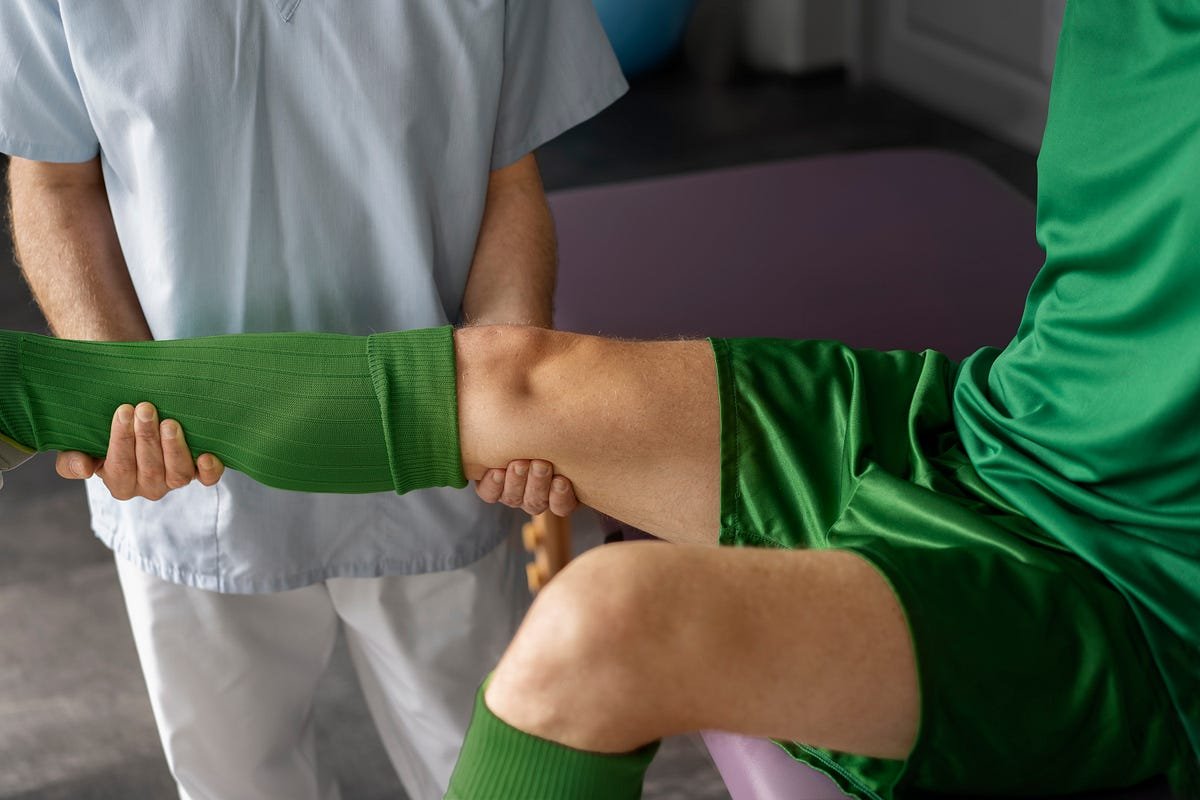
Knee pain can result from sports injuries, ligament tears, meniscus damage, or overuse from physical activity. This often leads to swelling, instability, or sharp pain during movement. Physiotherapy treatment includes manual therapy, corrective exercises, and functional rehabilitation to restore strength and stability. Rehabilitation also emphasizes proper movement patterns to prevent re-injury. With a structured program, patients can regain full mobility and return safely to their activities.
Osteoarthritis and Joint Wear
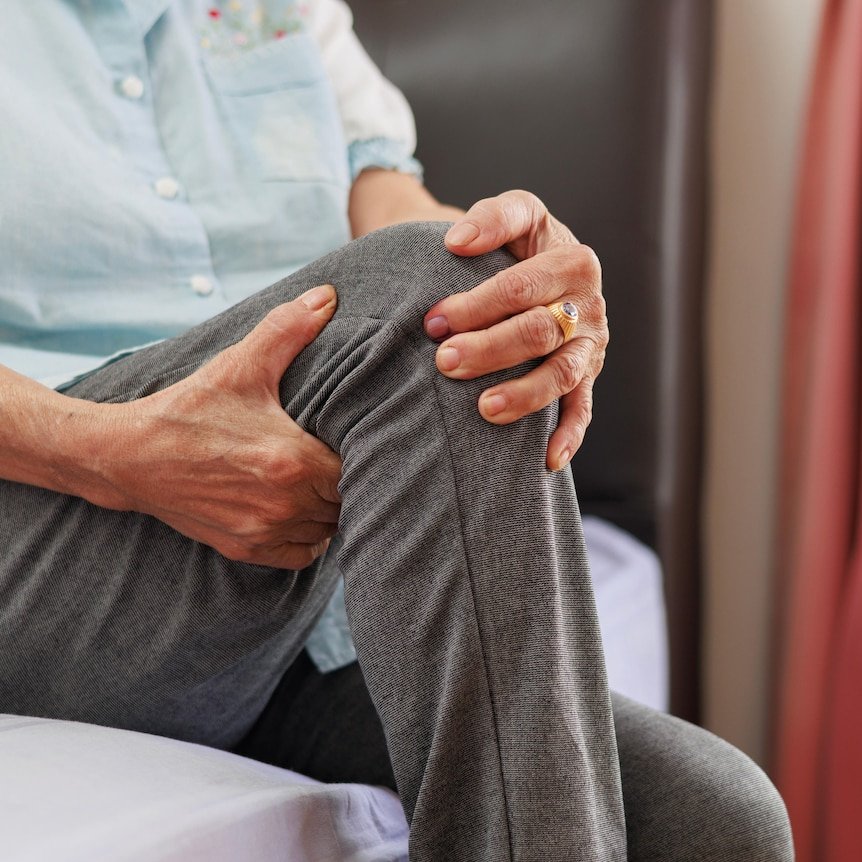
Osteoarthritis causes gradual cartilage degeneration, leading to knee pain, stiffness, and reduced mobility. Physiotherapy helps strengthen muscles, improve joint function, and relieve discomfort naturally.
Sports Injuries and Trauma
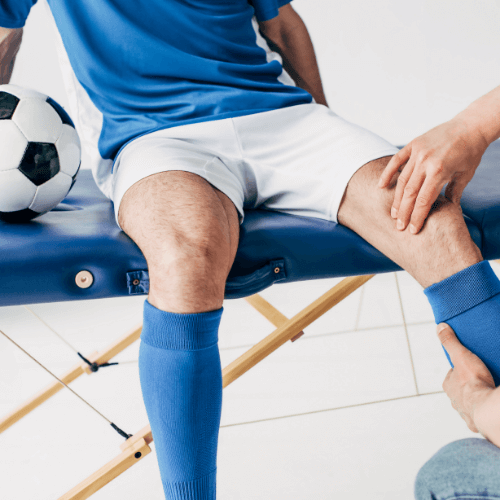
Knee pain often results from ligament tears, meniscus injuries, or accidents during sports or physical activity. Targeted physiotherapy restores stability, flexibility, and movement efficiency.
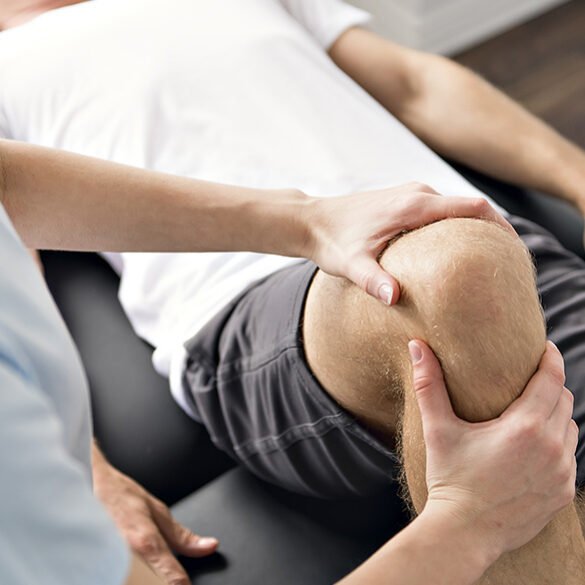
Post-Surgical or Post-Injury Stiffness
After knee surgery or injury, stiffness and weakness can limit daily activities. Physiotherapy aids in regaining strength, improving range of motion, and accelerating recovery safely.
Post-Surgical Knee Rehabilitation
After knee surgery, such as ligament repair or knee replacement, recovery can be challenging without proper physiotherapy. Pain, stiffness, and reduced range of motion are common post-operative issues. Our physiotherapy approach focuses on restoring movement, strengthening supporting muscles, and improving overall knee function. Gradual, guided exercises help patients regain independence in daily activities. Consistent rehabilitation promotes faster healing, reduces discomfort, and enhances long-term mobility.
Posted on GoogleTrustindex verifies that the original source of the review is Google. The pain management clinic provides exceptional treatment, and I've been a satisfied regular customer for a while now. The doctors are incredibly helpful, understanding, and genuinely invested in their patients' well-being. After every session, I feel extremely relaxed, both physically and mentally, which significantly improves my overall quality of life. I will definitely recommend this clinic to everyone who needs an excellent physiotherapist – they're truly in good hands here!Load more
FAQs
1. What causes knee pain?
Knee pain can result from osteoarthritis, ligament or meniscus injuries, overuse, trauma, or post-surgical stiffness. Age, activity level, and previous injuries also play a role.
2. How can physiotherapy help knee pain?
Physiotherapy reduces pain and restores function through manual therapy, strengthening exercises, flexibility training, and guided rehabilitation programs tailored to each patient.
3. How many physiotherapy sessions are needed?
The number of sessions depends on the severity and cause of knee pain. Many patients notice improvement within a few visits, while chronic or post-surgical cases require longer treatment plans.
4. Is knee pain treatment safe without surgery?
Yes, most knee pain can be effectively managed through physiotherapy without surgery. Conservative treatment focuses on reducing pain, strengthening muscles, and improving joint mobility.
5. Can knee pain be prevented?
Yes, maintaining strong muscles around the knee, practicing proper movement techniques, and avoiding overuse can help prevent knee pain. Regular exercises and ergonomic adjustments also reduce the risk of injury.